
In today’s world, many students, parents, and curious minds search online for “what is mean in math” to understand basic statistics concepts.
Whether you’re doing homework, preparing for exams, or just curious, knowing the meaning of mean helps you make sense of numbers in everyday life.
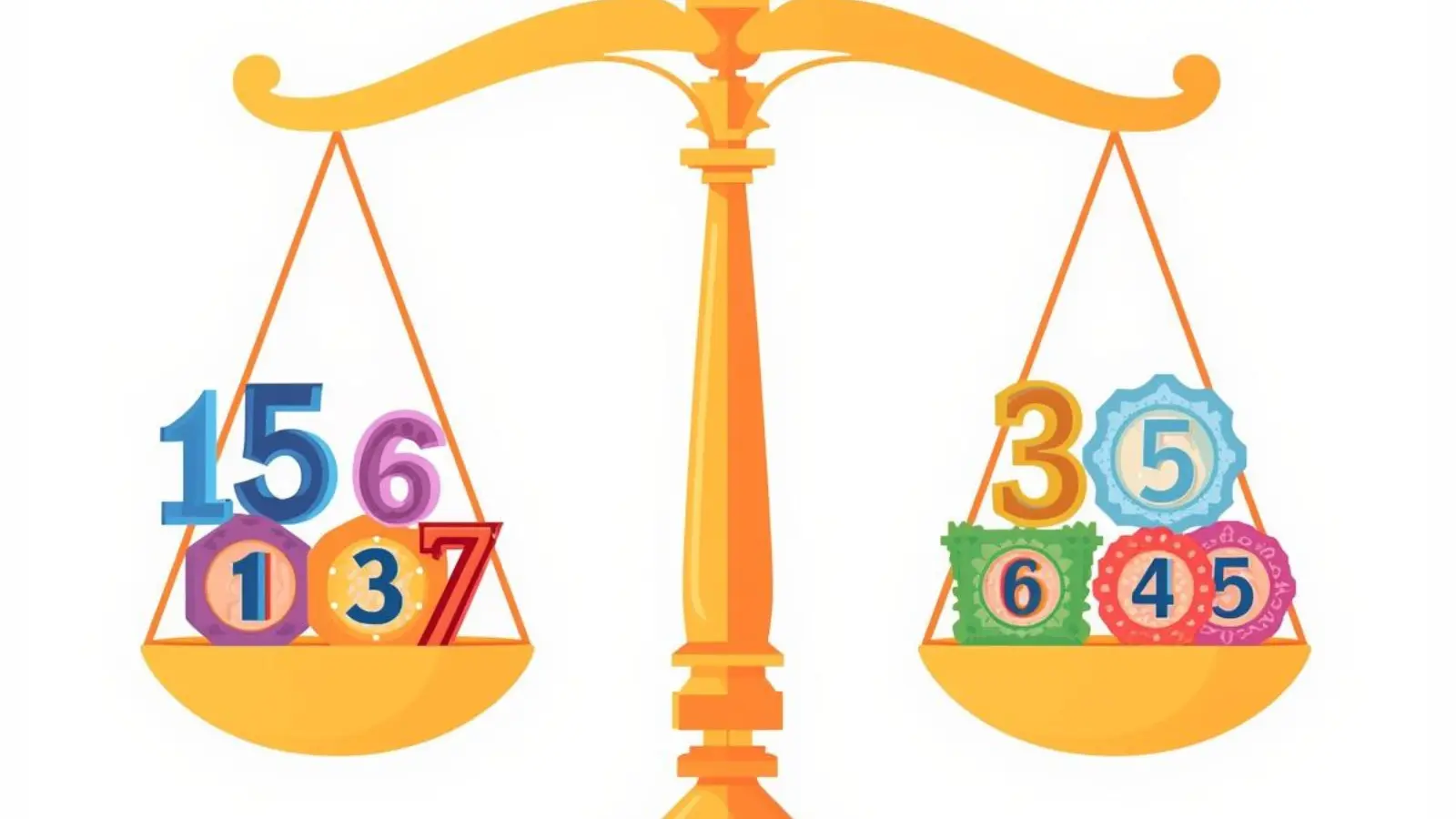
In simple terms, the mean is the average of a set of numbers, calculated by adding all the numbers together and dividing by the total count.
⚡ Quick Answer
The mean in math is the average value of a group of numbers. You calculate it by summing all numbers and dividing by how many numbers there are. For example, the mean of 2, 4, and 6 is (2 + 4 + 6) ÷ 3 = 4.
📚 Understanding “Mean” in Different Contexts
1. In Texting and Messaging
In everyday texting, “mean” is sometimes used to describe someone’s behavior rather than math. For example:
- Text: “She was mean to me today 😔”
- Meaning: It refers to someone being unkind or harsh.
💡 Note: In math-related conversations, people usually stick to the original statistical meaning.
2. In Love and Relationships
In relationships, “mean” usually describes words or actions that hurt feelings. For example:
- Message: “It’s mean that you forgot my birthday.”
- Meaning: The person is expressing that your action was unkind.
It’s important not to confuse this with the mathematical meaning in casual chats.
3. In Slang and Casual Language
In slang, “mean” can also be praise for skills or performance, meaning “excellent” or “impressive”:
- “He plays the guitar mean!” → He plays the guitar very well.
Here, the context completely changes the meaning from unkind to impressive.
4. On Social Media Platforms
On platforms like TikTok, Instagram, and Snapchat, “mean” appears in:
- Captions or comments: “This dance is mean!” (impressive)
- Memes or jokes: Often referring to someone being harsh or funny in a sarcastic way.
💡 Again, context determines whether it’s positive or negative.
5. Spiritual or Symbolic Meaning
Mathematically, “mean” doesn’t have a spiritual meaning. Symbolically, finding the mean can represent balance or fairness, as it gives a central value of a set of numbers.
6. Numerology or Cultural Meaning
In numerology or cultural discussions, the mean is used to analyze patterns in data sets, like average scores or trends. It’s a practical tool rather than a spiritual concept.
🧠 Examples & Usage
Here are some real-life examples of mean in math:
| Numbers | Calculation | Mean |
| 3, 5, 7 | (3+5+7) ÷ 3 | 5 |
| 10, 20, 30, 40 | (10+20+30+40) ÷ 4 | 25 |
| 2, 4, 6, 8, 10 | (2+4+6+8+10) ÷ 5 | 6 |
Example in sentences:
- “The mean score of the class test was 75%.”
- “To find the mean age of the group, add all ages and divide by the number of people.”
💡 Tip: Context is crucial. In math, it’s always about averaging numbers, not describing behavior.
❓ Common Questions (FAQ)
Q1: What does mean really mean?
- It’s the average value of a set of numbers.
Q2: Is mean positive or negative?
- In math, the mean is neutral; it simply represents a central value.
Q3: Is mean romantic?
- Not in math! In love contexts, “mean” refers to unkindness, not romance.
Q4: How should someone reply if someone says “mean”?
- If it’s about unkindness, respond politely. If it’s slang for “impressive,” say thanks or compliment back.
🏁 Conclusion
In simple words, the mean is the average of numbers, helping you understand patterns and central tendencies.
While “mean” can have different meanings in language, social media, and relationships, its mathematical definition is always about finding the average.
Now you can confidently explain and calculate the mean in any scenario.
