
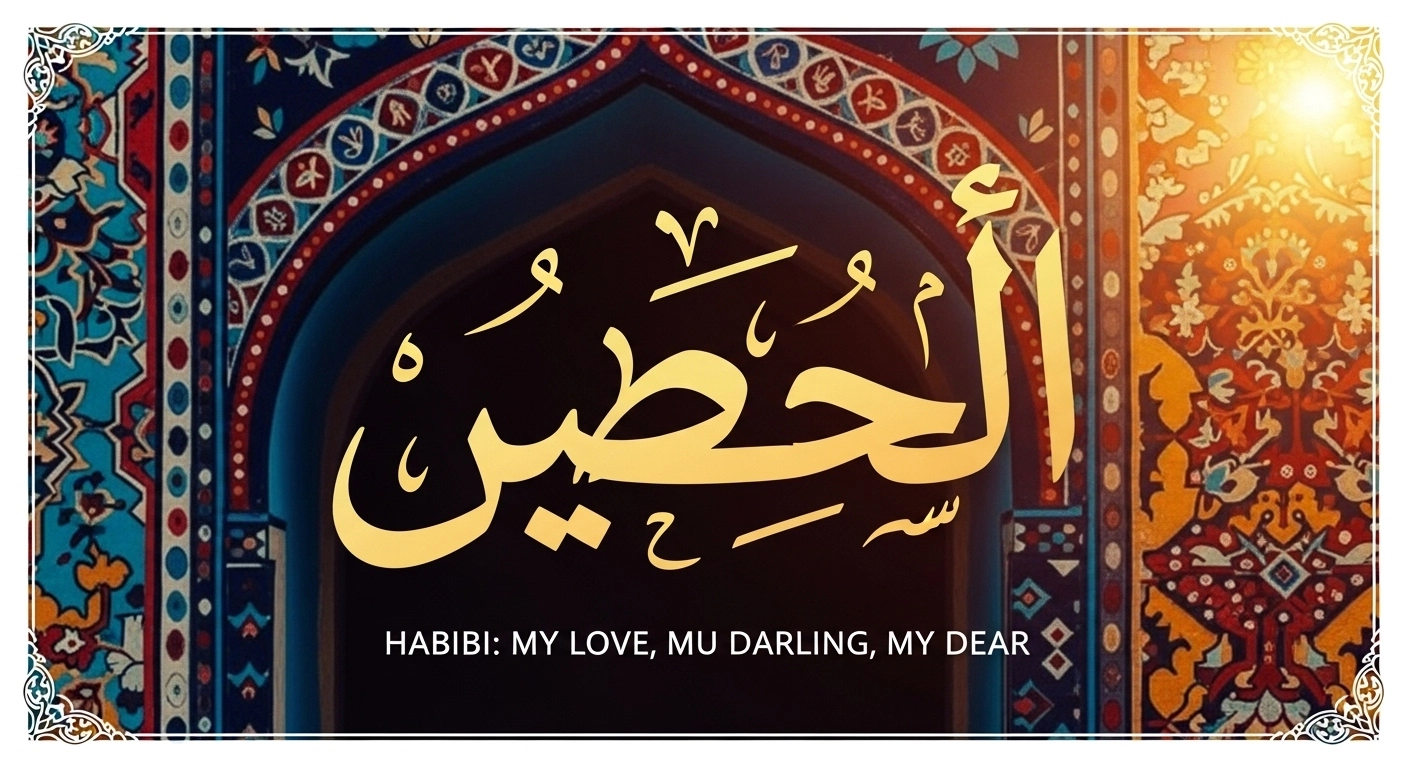
Have you ever seen someone call their friend or partner “habibi” and wondered what it means? The term habibi has been trending across social media platforms, music, and casual conversations worldwide. People are searching for it because it’s not just a word—it carries warmth, affection, and cultural significance.
Habibi is an Arabic word that literally means “my beloved” or “my dear” and is commonly used to show love, friendship, or close connection. Whether in texts, songs, or everyday chats, understanding this word helps you connect better with Arabic speakers and global pop culture.
⚡ Quick Answer
Habibi is an Arabic term of endearment meaning “my beloved” or “my dear”. It is used to express love, affection, or friendship toward someone special.
Meaning of Habibi in Different Contexts
In Texting and Messaging
In texting, habibi is often used to greet someone warmly or show affection. For example:
- “Hey habibi! How are you?”
- “Thanks for your help, habibi ❤️”
It can be playful or romantic depending on your relationship with the person.
In Love and Relationships
In romantic contexts, habibi is a sweet way to address your partner. Think of it as saying:
- “My love”
- “Sweetheart”
- “Darling”
It conveys intimacy and closeness. Couples often use it in daily conversations, messages, or even social media posts.
In Slang and Casual Language
Even outside romantic settings, habibi is commonly used among friends and family. It’s a friendly, warm expression. For example:
- “What’s up, habibi?” – casual greeting
- “Come on, habibi, let’s go!” – playful encouragement
It shows camaraderie and affection without being romantic.
On Social Media Platforms
TikTok, Instagram, and Snapchat have popularized the term among non-Arabic speakers. Influencers and creators use it in captions, comments, and videos to sound friendly, stylish, or affectionate:
- Instagram caption: “Chilling with my habibi 😎”
- TikTok comment: “This is so cute, habibi!”
It’s trendy and instantly recognizable in global pop culture.
Spiritual or Symbolic Meaning
While primarily a term of affection, habibi can carry a deeper sense of connection and love in some cultures. It emphasizes compassion, kindness, and emotional closeness. In certain Arabic poetry and songs, it represents unconditional love and devotion.
Numerology or Cultural Meaning
In Arabic culture, habibi is not just a word; it reflects social harmony and respect. Addressing someone as habibi strengthens bonds and communicates care. In numerology, letters and sounds in words like habibi are believed to convey positive energy and emotional warmth.
🧠 Examples & Usage
Here are real-life examples to help you use habibi correctly:
| Context | Example | Meaning |
| Texting Friend | “Hey habibi, want to grab coffee?” | Friendly greeting |
| Romantic Partner | “Good morning, habibi ❤️” | Romantic affection |
| Social Media Caption | “Having fun with my habibi 😎” | Playful/fun connection |
| Casual Encouragement | “You got this, habibi!” | Supportive/friendly tone |
Context matters: If said to a stranger, it may feel overly familiar, while among friends and loved ones, it expresses warmth.
❓ Common Questions About Habibi
1. What does habibi really mean?
It means “my beloved” or “my dear”, used to express love, affection, or friendship.
2. Is habibi positive or negative?
It is always positive, carrying affection, warmth, or love.
3. Is habibi romantic?
It can be romantic but is also used for friends, family, and casual conversations.
4. How should someone reply to habibi?
Common replies include:
- “Habibti” (for females)
- “Hey!”
- “Thanks, habibi!”
🏁 Conclusion
In simple words, habibi is a beautiful Arabic term that shows love, care, and friendship. Whether you’re texting, posting on social media, or speaking with a loved one, using it correctly conveys warmth and affection. Now that you understand its meaning and usage, you can confidently sprinkle habibi into your conversations and messages.
