
In today’s fast-paced digital world, people are constantly searching for the meaning of words they encounter online.
One word that often confuses many is “mean.” Whether you’ve seen it in texts, on social media, or in conversations, understanding the different uses of “mean” is essential.
In simple terms, “mean” refers to being unkind or cruel, but it can also indicate significance, intention, or mathematical averages depending on context.
⚡ Quick Answer
Mean generally refers to either unkind behavior or the intent/definition of something. Its meaning changes based on how and where it’s used.
In Texting and Messaging
In everyday messaging, “mean” usually describes someone’s behavior. For example:
- “She was so mean to me yesterday.” – Here, it clearly shows someone was unkind.
- “Do you mean that seriously?” – In this case, mean asks for clarification about intention.
Texting often relies on tone and context, so the word can sometimes feel harsher or lighter than spoken conversation.
In Love and Relationships
In relationships, mean can describe actions or words that are hurtful:
- “It’s mean to ignore their feelings.”
- “He didn’t mean to hurt me.”
Here, mean can refer to either intentional unkindness or simply the intent behind a statement or action.
In Slang and Casual Language
Interestingly, “mean” can also be positive slang, especially in casual conversations:
- “She’s got a mean style.” → Implies impressive or excellent.
- “He plays a mean guitar.” → Suggests talent or skill.
So, depending on context, mean can switch from negative to positive.
On Social Media Platforms
On TikTok, Instagram, Snapchat, and other platforms, mean often appears in captions, comments, or memes:
- Negative use: “That comment was so mean 😢”
- Positive use: “Check out this mean dance move!” 💃
Social media usage depends heavily on tone, emojis, and context, making it crucial to understand the situation before interpreting the word.
Spiritual or Symbolic Meaning
In a symbolic sense, mean can relate to intention or purpose:
- Someone might say, “Everything happens for a reason; it means something.”
- Here, mean refers to significance or a deeper message rather than unkindness.
Numerology or Cultural Meaning
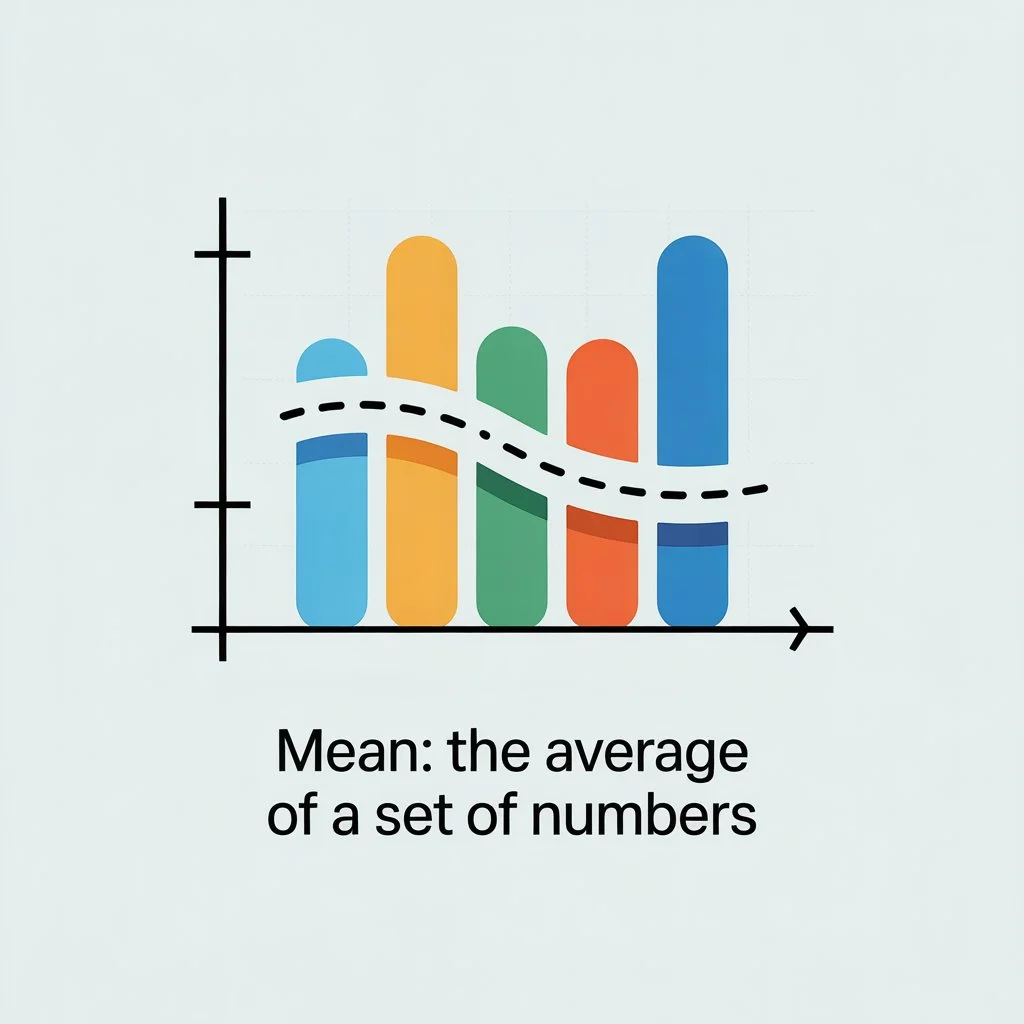
In numerology, mathematics, or cultural references, mean often refers to the average value:
- Mathematical mean: Sum of numbers divided by the count.
- Example: Mean of 2, 4, 6 → (2+4+6)/3 = 4
- Example: Mean of 2, 4, 6 → (2+4+6)/3 = 4
- In cultural contexts, being “mean” may symbolize strictness or discipline in some traditions.
🧠 Examples & Usage
Here are a few real-life examples to help you understand “mean” better:
| Context | Example | Meaning |
| Texting | “You’re so mean 😡” | Unkind behavior |
| Clarification | “Do you mean what you said?” | Asking about intention |
| Slang | “That’s a mean skateboard trick!” | Impressive or skillful |
| Social Media | “This meme is mean 😂” | Funny or harsh, depending on tone |
| Math | “The mean score is 85.” | Average value |
Context is key—the meaning of mean changes based on tone, platform, and audience.
❓ Common Questions
What does mean really mean?
It can mean unkindness, intention, or average, depending on context.
Is mean positive or negative?
Both. Traditionally negative (unkind), but in slang it can be positive (impressive).
Is mean romantic?
Not usually, unless used playfully in a relationship context.
How should someone reply to mean?
- If it’s a question: clarify your intent.
- If it’s unkind: respond calmly or ignore.
- If positive slang: acknowledge the compliment.
🏁 Conclusion
In simple words, “mean” is a versatile word that can indicate unkindness, intention, or excellence, depending on where and how it’s used.
By understanding its context—texting, relationships, slang, social media, or mathematics—you can confidently interpret its meaning every time.
