
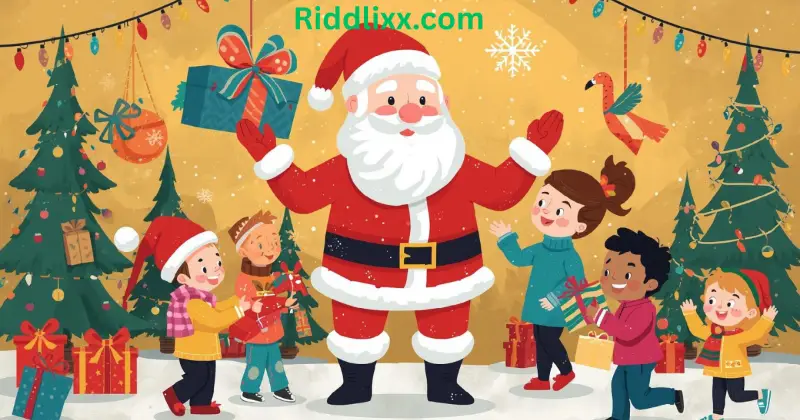
Santa Claus is not physically real, but emotionally, culturally, and symbolically, he is very real—especially for children.
For kids, Santa Claus represents magic, excitement, imagination, and the joy of Christmas.
For adults, Santa represents generosity, kindness, family traditions, and childhood memories.
That is why the question “Is Santa Claus real?” creates confusion—particularly for parents who want to protect their child’s happiness while also being honest and responsible.
This complete 2026 guide is written to solve that confusion.
You will learn:
- Is Santa Claus real for kids and adults?
- What parents should say—and what they should avoid
- The psychology behind believing in Santa
- Santa’s real history and myths
- An Islamic perspective on Santa Claus
- Secret Santa, movies, events, and modern traditions
This article focuses not only on what Santa is, but how parents and adults should handle the belief wisely.
Who Is Santa Claus?
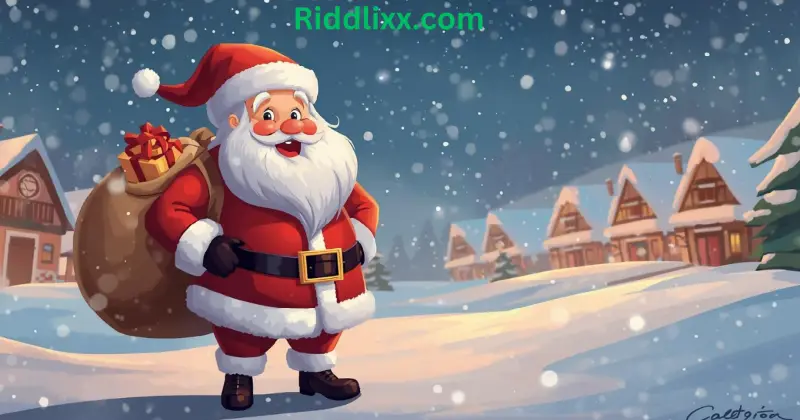
Santa Claus is one of the most well-known characters in the world. He is traditionally described as a cheerful man who delivers gifts to children on Christmas Eve and spreads happiness and goodwill.
Who Is Santa Claus Really?
Santa Claus is not based on a single fictional idea. His character evolved over centuries from history, folklore, religious traditions, and cultural storytelling. He is a legendary symbol, not a real individual traveling the world in one night.
What Does Santa Claus Mean?
Santa Claus represents:
- Generosity and kindness
- Giving without expecting reward
- Joy, hope, and celebration
Parents often use Santa as a way to teach children positive values such as sharing, patience, and gratitude.
Santa Claus for Kids vs Adults
For children, Santa is magical and exciting.
For adults, Santa is symbolic—representing family bonding, nostalgia, and festive traditions.
Is Santa Claus Real?
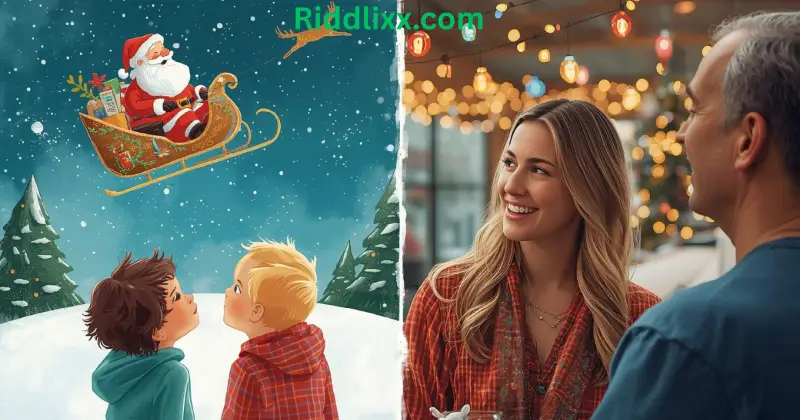
This is the most searched Christmas-related question globally.
Is Santa Claus Real for Kids? (What Parents Should Say)
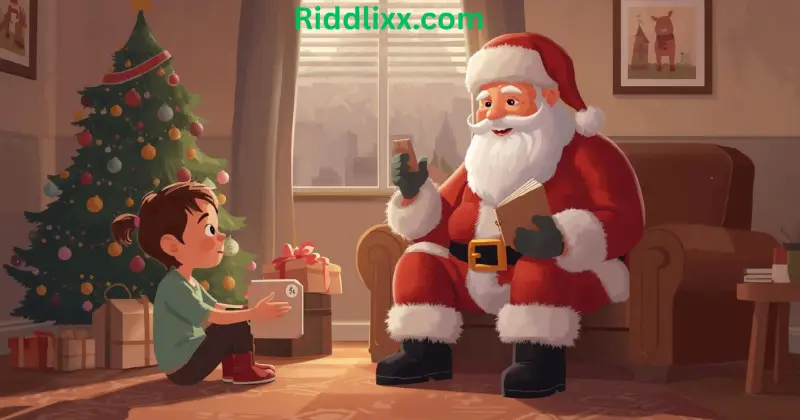
For children, Santa Claus is emotionally real. Believing in Santa helps children experience imagination, excitement, and emotional security.
What parents should do:
- Allow the belief naturally
- Avoid making extreme promises
- Let children enjoy the magic
What parents should NOT do:
- Use Santa to threaten children
- Force belief when children start doubting
Belief in Santa does not harm children—it often creates happy lifelong memories.
Is Santa Claus Real for Adults? (Emotional vs Logical Truth)
Adults understand that Santa is not physically real. However, Santa is symbolically real because he represents generosity, kindness, and cultural tradition.
That is why adults still enjoy Santa movies, decorations, and traditions—even when they know the truth.
Why Do People Believe Santa Is Real? (Psychology Explained)
Psychologists explain Santa belief as part of early childhood development:
- Children between ages 3–7 naturally mix imagination with reality
- Family traditions and media reinforce the belief
- As logical thinking grows, belief fades naturally
This process is healthy and normal, not harmful.
Should Parents Tell Children Santa Is Real?
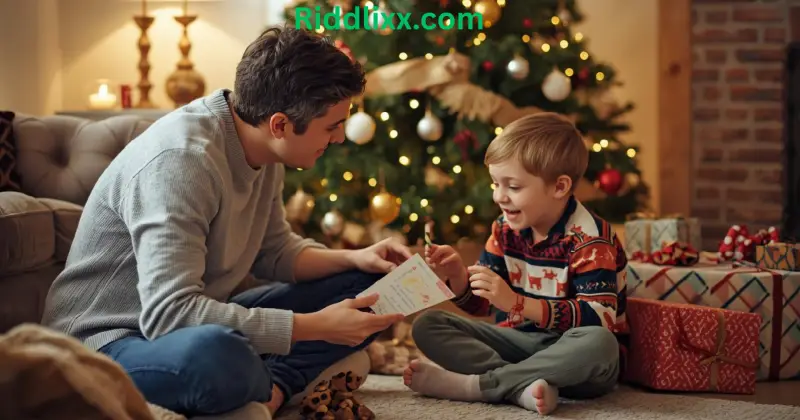
This is the most important question for parents.
Are Parents Lying About Santa?
No. Parents are participating in imaginative storytelling, similar to fairy tales or fictional characters. Intention matters.
What Is the Right Age to Tell the Truth?
Most children stop believing between 7 and 9 years old. The best time to explain the truth is when the child asks questions.
How to Tell the Truth Gently
A healthy explanation is:
“Santa is a symbol of kindness and giving. Now you’re old enough to help keep the magic alive for younger kids.”
This approach:
- Protects trust
- Avoids emotional harm
- Helps children mature confidently
Santa Claus History and Origin
Where Did Santa Claus Come From?
Santa Claus originated from European folklore and Christian traditions.
Saint Nicholas and Santa Claus
Saint Nicholas was a real 4th-century bishop known for generosity and helping the por. His good deeds inspired the Santa legend.
When Did Santa Claus Become Popular?
Santa became widely popular in the 19th century through poems, books, and illustrations.
Santa Claus Before Coca-Cola (Myth vs Reality)
What Did Santa Look Like Before Coca-Cola?
Before Coca-Cola advertising, Santa appeared in different colors and styles—sometimes green, brown, or religious clothing.
How Coca-Cola Changed Santa’s Image
Coca-Cola did not invent Santa, but it standardized his modern red suit and friendly appearance globally.
Santa Claus Around the World
Different countries celebrate Santa in unique ways.
Different Names of Santa
Santa is known as:
- Father Christmas
- Père Noël
- Kris Kringle
Why Santa Became a Global Symbol
Santa’s message of kindness and giving is universal, making him globally accepted.
Santa Claus Reindeer Names
Santa’s reindeer became famous through 19th-century poems.
Reindeer Names:
Dasher, Dancer, Prancer, Vixen, Comet, Cupid, Donner, Blitzen, and Rudolph.
Each name symbolizes speed, strength, and magic.
NORAD Santa Tracker Explained

NORAD created the Santa Tracker as a fun educational tradition.
- It uses satellites and volunteers
- It is meant for entertainment
- It helps families enjoy Christmas Eve
It is not proof of Santa’s physical existence—it is a cultural activity.
Santa Hotline and Santa Letters
Children can:
- Call Santa hotlines
- Send letters to Santa addresses
These are designed to create joy, not deception.
What Is Secret Santa?
Secret Santa is a gift exchange tradition where participants give anonymous gifts.
Why Secret Santa Is Popular
- Affordable
- Fun
- Ideal for offices and families
Secret Santa Gift Ideas (2026)
- Budget gifts: mugs, candles, chocolates
- Funny gifts: novelty items
- Office gifts: practical and neutral items
Secret Santa Generator Online
Online Secret Santa generators:
- Randomly assign names
- Reduce confusion
- Save time
They are safe and easy to use.
Santa Claus Movies and Media
Family-Friendly Movies
Heartwarming films focused on kindness and joy.
Bad Santa Movies
Adult comedy movies—not suitable for kids.
Parents should choose content carefully.
🎅 Santa Emoji, Images, and Social Media
Christmas-themed emojis, Santa GIFs, and festive images are widely used on social media to express joy, celebration, and holiday greetings online.
🎄 Santa Events and Santa Experience
During the holiday season, many families attend special Christmas events designed for children.
These experiences usually include:
- Meeting a costumed Santa character
- Taking memorable holiday photos
- Enjoying festive activities with family
Such events are completely optional, but they often help create joyful and lasting Christmas memories for children.
145+ Best Secret Santa Riddles for OfficeWorkers With Laughter 🎁😉
Santa Claus from an Islamic Perspective (Very Important)
Islam does not recognize Santa Claus as a religious figure. Santa is not part of Islamic belief.
However:
- Islam allows harmless imagination for children
- Intent matters—teaching kindness is not sinful
- Parents should avoid linking Santa to belief, worship, or morality control
A balanced Muslim approach is:
- Treat Santa as a fictional cultural character
- Emphasize honesty, charity, and gratitude
- Gradually guide children toward truth
Frequently Asked Questions (FAQs)
Is Santa Claus real?
Santa Claus is not physically real, but emotionally and symbolically he is real, especially for children, as a cultural tradition and story.
Is Santa Claus real for kids?
For kids, Santa Claus is emotionally real. Believing in Santa helps children enjoy imagination, joy, and holiday excitement without causing harm.
Is Santa Claus real for adults?
Adults know Santa is not physically real, but he represents generosity, kindness, and childhood memories, which makes him symbolically real.
Is it sinful to tell children Santa is real?
If the intention is harmless storytelling and not deception or belief manipulation, most scholars consider it permissible. Parents should guide children toward truth gradually.
At what age do kids stop believing in Santa?
Most children naturally stop believing in Santa between the ages of 7 and 9 as their logical thinking develops.
🎄 Final Conclusion:
Santa Claus is not physically real, but the values he represents are real—kindness, generosity, joy, and family bonding.
Handled wisely, Santa can be:
- A positive childhood memory
- A cultural tradition
- A lesson in giving
The key is balance, honesty, and intention.
