
The Average Breast Size 2025 Guide gives women a clear, science-based understanding of breast size, comfort, confidence, and overall breast health. Because every woman’s body is unique, this updated guide explains how breast size varies globally, why breasts change over time, and how to measure your correct size using the latest 2025 breast size chart standards.
In this detailed breakdown, you’ll learn about breast size charts, breast shape types, how to increase breast size naturally, how to lift sagging breasts effectively, and how age, hormones, and lifestyle impact breast size — giving you everything you need in one complete, medically-aligned guide
What Is the Average Breast Size?
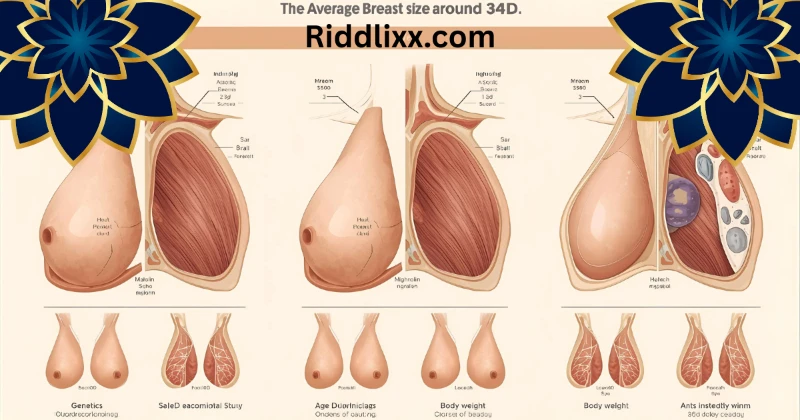
Worldwide studies show that the average breast size today is around 34D. However, this varies by region, age, body weight, lifestyle, genetics, and hormonal factors.
Are Average Breast Size Statistics Accurate?
Not completely. Many women wear the wrong bra size, so most data is based on bra sales, not medical measurements. Therefore, the “average” is only an estimate.
Every Woman’s Breasts Are Unique
Even on the same person, one breast may naturally be slightly larger or shaped differently. This is medically normal.
Breast Size Chart: Band, Bust & Cup Comparison
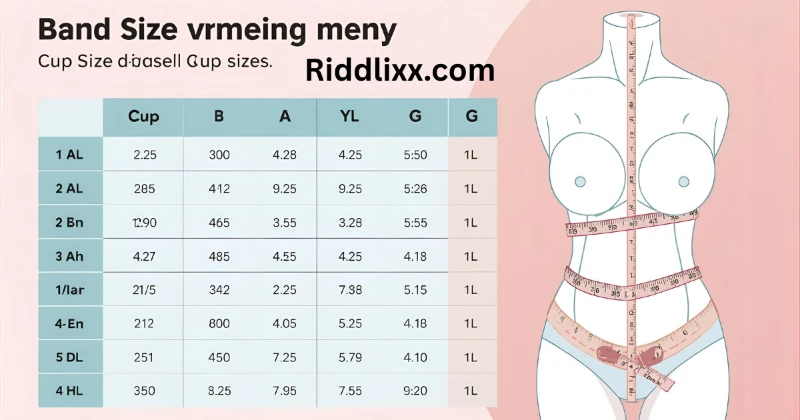
One of the most searched terms is Breast Size Chart. Here is a simplified, SEO-optimized version:
Difference (Bust – Band) → Cup Size
| Difference | Cup |
|---|---|
| 1 inch | A |
| 2 inches | B |
| 3 inches | C |
| 4 inches | D |
| 5 inches | DD / E |
| 6 inches | F |
| 7 inches | G |
Higher differences = larger cup volume.
Breast Shape Types Every Woman Should Know
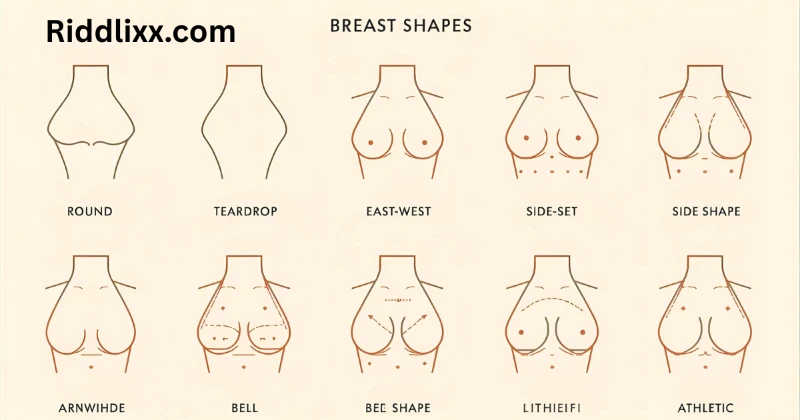
Breast shape also affects how size appears. Common types include:
- Round
- Teardrop
- East-west
- Side-set
- Asymmetrical
- Athletic
- Relaxed (mild ptosis)
- Bell-shaped
Shape varies naturally and changes with age, hormones, and weight.
Why Breast Size Varies From Person to Person
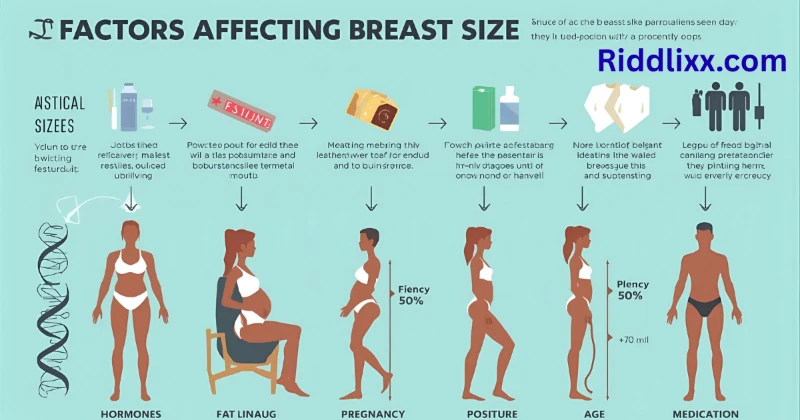
Breast size is shaped by:
- Genetics
- Hormone levels
- Body fat percentage
- Pregnancy & breastfeeding
- Age-related elasticity
- Medications
- Exercise & posture
Breasts are dynamic — not fixed — and change throughout life.
How to Measure Breast Size Correctly (Step-by-Step)
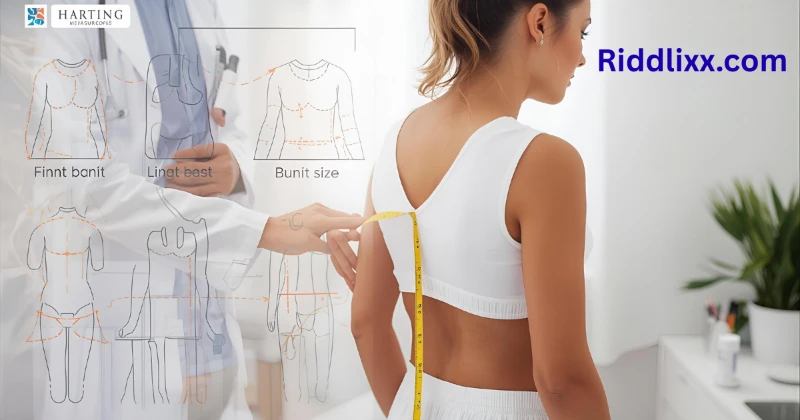
A. Measure Band Size
Wrap the tape under your bust → Round to nearest even number.
B. Measure Bust
Measure around the fullest part of your breasts.
C. Find Cup Size
Subtract band from bust → Use size chart above.
Correct sizing reduces pain, improves posture, prevents sagging, and makes clothing fit better.
Average Breast Size by Country
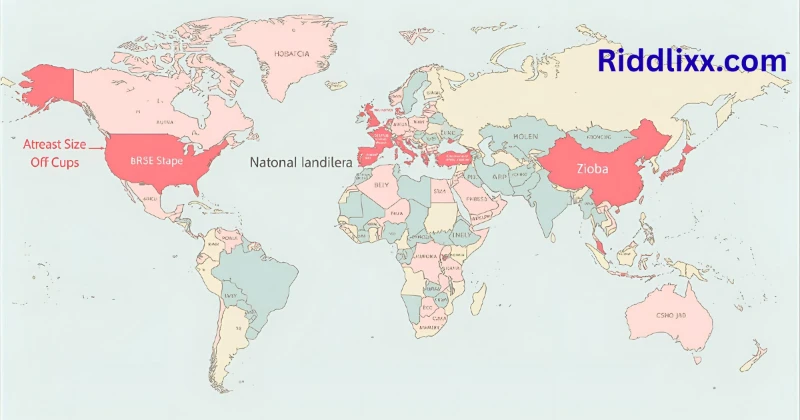
Breast size varies globally:
- U.S., U.K., Canada: Larger averages (C–D+)
- Asia: Smaller averages (A–B)
- Europe: Mixed (B–D)
- Africa: Wide range depending on region
These differences come from genetics, diet, and lifestyle factors.
What Is the Ideal or Most Attractive Breast Size?
There is no universal ideal. Preferences vary across cultures and individuals.
✔ The medically ideal size = the size that feels comfortable, healthy, and natural for you.
Why Breast Size Changes Over Time
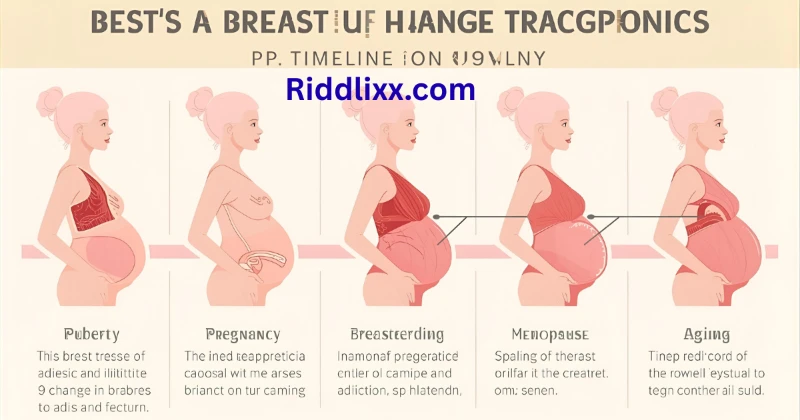
Breasts change due to:
- Menstrual cycle
- Pregnancy
- Breastfeeding
- Weight gain/loss
- Aging
- Menopause
- Skin elasticity
These changes are completely normal.
Is Breast Size Linked to Breast Cancer Risk?
No — breast size does not cause breast cancer.
What matters more:
- Family history
- Genetics (BRCA genes)
- Hormones
- Lifestyle factors
Large breasts may make cancer detection slightly harder due to dense tissue, but risk is the same for all sizes.
Common Breast Conditions Related to Size
- Fibrocystic changes
- Hormonal swelling
- Cysts
- Stretch marks
- Asymmetry
- Sagging (ptosis)
Most are harmless and treatable.
How to Increase Breast Size Naturally (Safe & Realistic Methods)
One of the most searched topics.
A. Exercises for Fuller, Lifted Appearance
Builds the muscles under the breast:
- Push-ups
- Chest press
- Chest fly
- Dumbbell pullover
- Wall push-ups
B. Foods Supporting Hormone Balance
Help maintain shape & fullness:
- Eggs
- Nuts & seeds
- Soy
- Avocado
- Fish
- Green vegetables
- Vitamin C fruits
C. Healthy Weight
Slight weight gain may increase breast size because breasts contain fatty tissue.
D. Good Posture
Instantly improves breast projection and appearance.
E. Proper Bras
Push-up and padded bras create safe, natural enhancement.
How to Lift Breasts Naturally (Breast Tightening Guide)
Breasts become saggy due to age, gravity, breastfeeding, and weak support.
Effective non-surgical methods:
- Chest exercises
- Massage with natural oils
- Cold-water hydrotherapy
- Maintaining healthy weight
- Wearing supportive bras
- Sleeping on your back
These methods improve firmness and position over time.
Causes of Breast Sagging & How to Prevent It
Main causes:
- Aging
- Loss of collagen
- Pregnancy & breastfeeding
- Smoking
- Poor posture
- Rapid weight changes
Prevention tips:
- Supportive bras
- Strength training
- Skin hydration
- Avoiding rapid dieting
- Proper posture
Large Breasts: Problems, Pain & Solutions (High-Volume Topic)
Women with larger breasts often experience:
- Back/neck pain
- Shoulder grooves
- Skin irritation under breasts
- Posture problems
- Exercise difficulty
Solutions:
- Proper bra fitting
- Wide-strap support bras
- High-impact sports bras
- Posture training
- Physical therapy
- Breast reduction (if medically necessary)
Best Bras for Small Breasts
Highly searched topic.
Recommended styles:
- Push-up bras
- Triangle bras
- Lightly padded bras
- Bralettes with side padding
- T-shirt bras
These enhance shape and symmetry.
Best Bras for Heavy / Large Breasts
Choose styles with:
- Wide padded straps
- Strong band support
- Side panels
- Full coverage cups
- Encapsulation + compression (sports bras)
Vaseline for Breast Growth: Myth vs Reality
Science confirms:
❌ Vaseline does NOT grow breasts
❌ Toothpaste mixture is dangerous
✔ Vaseline only moisturizes skin
Always avoid unproven home remedies.
Breast Reduction & Breast Augmentation Options
Reduction surgery helps if:
- Pain
- Skin irritation
- Poor posture
- Daily discomfort
Augmentation options:
- Silicone implants
- Saline implants
- Fat transfer
Discuss risks & benefits with a certified surgeon.
When to See a Doctor About Breast Size

Seek medical advice if you have:
- Chronic back or neck pain
- Skin infections
- Severe asymmetry
- Rapid unexplained size change
- Hard lumps
- Nipple discharge
Your comfort and health matter more than size.
Conclusion
Breast size varies widely among women — and there is no “perfect” size. What matters most is comfort, health, confidence, and understanding your body. With the right knowledge, proper bra support, natural methods, and medical options when needed, you can manage changes confidently at any age.
FAQs for Google
1. What is the average breast size?
The average breast size worldwide is around 34D, but it varies by genetics, age, body weight, hormones, and country.
2. How can I measure my breast size correctly?
Measure your band size under the bust, measure bust size at the fullest point, then subtract band from bust to find the cup size.
3. Does breast size change with age?
Yes. Breast size changes with puberty, pregnancy, weight changes, hormones, and menopause due to shifting fat and glandular tissue.
4. Can I increase breast size naturally?
Yes. Chest exercises, healthy weight gain, hormone-supporting foods, good posture, and proper bras can naturally improve breast fullness.
5. What causes breast sagging?
Sagging occurs from aging, gravity, weight changes, breastfeeding, and weak skin elasticity. Supportive bras and chest exercises help prevent it.
6. Does breast size affect breast cancer risk?
No. Breast size does not increase cancer risk. Family history, genetics, hormones, and lifestyle are more important factors.
